
Culture & Heritage in Dubai
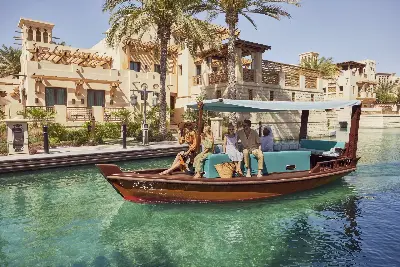
Madinat Jumeirah Abra Ride
Madinat Jumeirah Abra Ride is a 20-minute scenic waterway tour through the spectacular Arabian-themed Madinat Jumeirah resort, exploring 4 km of artificially-created saltwater canals that wind between the three Jumeirah luxury hotels (Al Qasr, Mina A'Salam, Jumeirah Al Naseem) and Souk Madinat Jumeirah. Traditional wooden abras with covered seating offer dramatic Burj Al Arab views throughout the ride, with the friendly boat captains pointing out architectural highlights and the best photo spots. Operates daily during resort hours with walk-up availability.Quick facts:Duration 20 minutes · AED 100 per adult · 4 km waterways · Burj Al Arab viewsDid you know?Madinat Jumeirah's abras navigate 4 km of artificially-created saltwater canals – the largest themed resort waterway system in the Middle East – with the boats deliberately designed to replicate the traditional wooden abras still used on Dubai Creek.Best time to visit:Late afternoons (3–6 PM) for golden-hour Burj Al Arab photography; sunset rides offer dramatic lighting against the sail-shaped hotel silhouette.Where to eat nearby:50+ restaurants throughout Madinat Jumeirah including Pierchic (over-water seafood), Folly, Pai Thai (waterfront Thai) and Shimmers (beachfront Greek).Tip:Non-hotel guests can walk into Souk Madinat Jumeirah and book abra tickets at the ride counter; private abra hire available from AED 250 per hour for up to 8 people. Prices may vary – check official website.
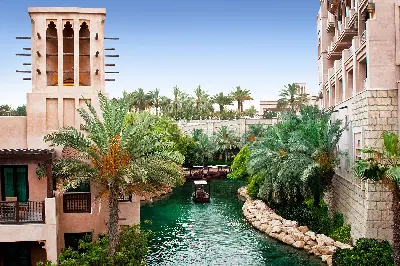
Madinat Jumeirah
Madinat Jumeirah is Dubai's most spectacular Arabian-themed resort complex, a 40-hectare recreation of an old Arabian town with 4 km of waterways, 75+ shops at Souk Madinat Jumeirah, 50+ restaurants, three luxury hotels (Al Qasr, Mina A'Salam, Jumeirah Al Naseem) and the Madinat Theatre. The complex centres on the dramatic Burj Al Arab views from its waterfront promenades, with traditional wooden abras taxiing guests between the hotels and souk along the artificial canals. Includes the iconic TODA Theatre of Digital Art, multiple beaches and the Talise Spa.Quick facts:Duration 3–4 hours · 4 km waterways · Burj Al Arab views · Free souk accessDid you know?Madinat Jumeirah's traditional wooden abras navigate 4 km of artificially-created saltwater canals – making it the largest themed resort waterway system in the Middle East. The architecture replicates the wind-tower style of Al Fahidi but on a luxury resort scale.Best time to visit:Late afternoons (4–7 PM) for golden-hour Burj Al Arab photos from the waterfront; evenings during winter months bring atmospheric Christmas markets and Ramadan tents.Where to eat nearby:50+ restaurants on-site including Pierchic (over-water seafood), Folly by Nick & Scott (modern European), Pai Thai (waterfront Thai) and Shimmers (beachfront Greek).Tip:Souk Madinat Jumeirah and abra rides are accessible to non-hotel guests – walk in for free and pay AED 100 for an abra tour or visit the rooftop Bahri Bar for the best Burj Al Arab views with cocktails. Prices may vary – check official website.
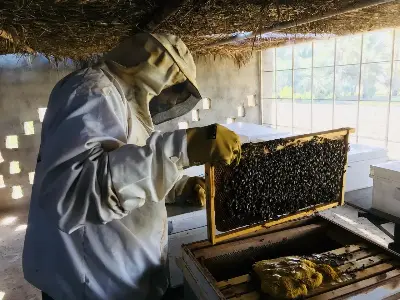
Hatta Honey Bee Garden
Hatta Honey Bee Garden & Discovery Centre is a unique educational attraction set on a working honey farm in the Hatta exclave. Visitors take guided tours of the active beehives, learn about beekeeping traditions in the UAE, taste up to 5 varieties of premium UAE honey including the rare Sidr and Wildflower honeys, and can purchase fresh-from-the-hive honey, royal jelly and beeswax cosmetics directly from the producers. The centre includes a small museum on UAE bee species and the Discovery Garden with native flowering plants.Quick facts:Duration 1 hour · Honey tasting · Live hive tours · Open 9 AM – 5 PMDid you know?The Hatta Honey Bee Garden produces some of the UAE's rarest honey varieties – including authentic Sidr honey from the native Sidr tree (highly valued in traditional Arabic medicine) and Wildflower honey that crystallises naturally based on Hatta's unique mountain flora.Best time to visit:Morning hours (9 AM – 12 PM) when the bees are most active and the live hive tours offer the best viewing; weekdays are significantly quieter than weekends.Where to eat nearby:On-site honey tasting and small café; the wider Hatta has restaurants at Hatta Wadi Hub and Hatta Fort Hotel a short drive away.Tip:Book the guided tour with Mr. Abdel for the most informative experience – he's the centre's resident bee expert and offers detailed explanations of UAE beekeeping traditions. Prices may vary – check official website.
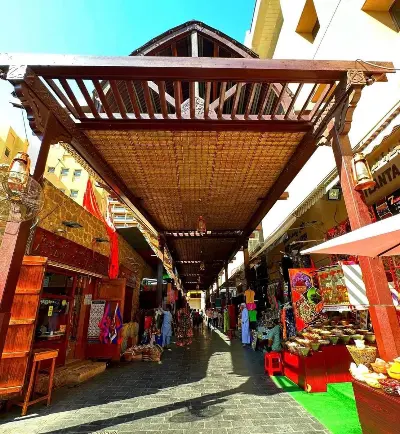
Meena Bazaar
Meena Bazaar is Bur Dubai's authentic Indian sub-continental shopping district, a vibrant labyrinth of narrow lanes featuring 300+ small shops specialising in Indian textiles (particularly Banarasi saris), gold and silver jewellery, Bollywood-inspired fashion, Indian sweets and spices, and authentic sub-continental street food. The bazaar operates on a traditional bargaining economy with prices 30–60% negotiable. Popular with Indian tourists and UAE residents seeking authentic sub-continental products at significantly lower prices than comparable Indian imports elsewhere in Dubai.Quick facts:Duration 2–3 hours · 300+ shops · Bargaining expected · Indian specialitiesDid you know?Meena Bazaar has been Dubai's primary Indian textile and gold shopping hub for over 60 years – many of the original family-run shops have passed through three generations of Indian merchants who originally settled in Bur Dubai in the 1960s.Best time to visit:Late afternoons (4 PM onwards) when shops reopen after the afternoon break; weekday evenings are less crowded than weekends.Where to eat nearby:Dozens of authentic Indian restaurants within the bazaar including Ravi Restaurant (legendary Pakistani) and Puranmal (Indian sweets); Al Fahidi Historical District is 5 minutes' walk for additional dining.Tip:Always bargain aggressively – starting prices are typically 30–60% higher than final prices. Shops are closed 1:00–4:00 PM for the afternoon break; plan visits accordingly. Nearest metro: Al Ghubaiba or Sharaf DG.
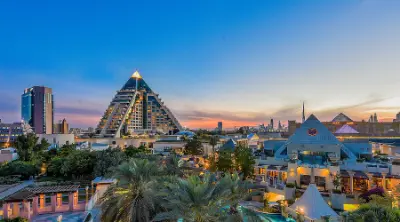
Wafi City Mall
Wafi City is a unique Egyptian-themed mall and lifestyle destination in Umm Hurair, instantly recognisable by its three iconic glass pyramids and elaborate Pharaonic architecture. Combining the upscale Wafi Mall with the Sofitel hotel, the renowned Khan Murjan traditional souk (modelled on a 14th-century Baghdad market), spa facilities and 100+ retail outlets, it offers a more refined and culturally distinct alternative to Dubai's mega-malls.Quick facts:Duration 3–4 hours · Egyptian-themed · Khan Murjan souk · Pyramid designDid you know?Wafi's Khan Murjan Souk is built underground with 150 shops modelled on a 14th-century Baghdad market – the central courtyard restaurant alone seats 250 under a stunning hand-painted glass ceiling.Best time to visit:Weekday afternoons for the most relaxed shopping; weekends bring more crowds to the Khan Murjan central restaurant.Where to eat nearby:The legendary Khan Murjan central courtyard restaurant offers traditional Arabic cuisine; Wafi Mall has additional cafés and the adjoining Sofitel hotel restaurants.Tip:Don't miss the Khan Murjan Souk in the basement – it's one of Dubai's most atmospheric shopping experiences with handicrafts from across the Arab world. Prices may vary – check official website.
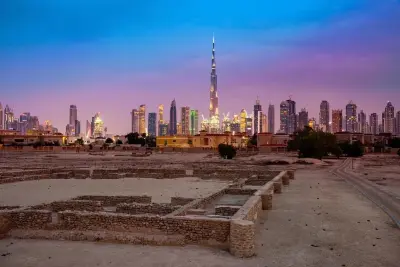
Jumeirah Archaeological Site
Jumeirah Archaeological Site is the UAE's most significant Islamic-era excavation, a 9th–11th century Abbasid Caliphate trading settlement with eight ruined structures including five domestic houses, a caravanserai, a mosque, and a marketplace. Discovered in 1969 with excavations ongoing, the site features a small visitor centre with curated artefacts (pottery, glass, metalwork, coins) and an interpretation of the trading culture that flourished here a millennium ago. Adjacent to the popular Arabian Tea House restaurant.Quick facts:Duration 1–2 hours · Free entry · 9th–11th century · Closed SaturdaysDid you know?The Jumeirah Archaeological Site dates to the Abbasid Caliphate (750–1258 CE) – making it the oldest known major Islamic-era settlement in the UAE, predating the founding of Dubai itself by over 700 years.Best time to visit:Cooler months (October–April) and early mornings (8–11 AM) for the most comfortable exploration of the open-air ruins; weekday visits offer the most peaceful experience.Where to eat nearby:The on-site Arabian Tea House offers traditional Emirati cuisine in a beautifully restored heritage setting; surrounding Jumeirah area has additional dining options.Tip:Visit the Visitor Centre first to understand the archaeological significance before walking the open-air ruins. Free guided tours can sometimes be arranged with advance notice.
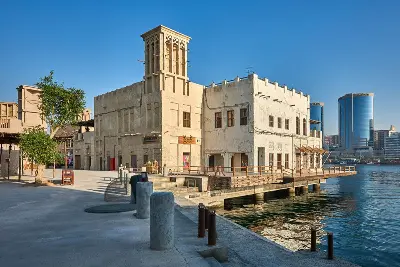
Al Seef
Al Seef is a 1.8 km historic waterfront district along Dubai Creek that blends restored heritage architecture with modern dining, shopping and entertainment. Developed by Meraas, it features traditional wind-tower buildings, open-air souks, abra stations, floating restaurants, heritage hotels and the popular Museum of Illusions – all connected by a scenic creekside promenade that becomes one of Dubai's most atmospheric spots after dark.Quick facts:Free entry · 1.8 km promenade · Heritage architecture · Creekside diningDid you know?Al Seef was purpose-built to evoke the feeling of Old Dubai before oil – the heritage-style buildings are actually modern constructions designed to recreate the atmosphere of the 1950s trading district.Best time to visit:Late afternoon through evening – the lighting, creek atmosphere and dining scene are at their best after sunset.Where to eat nearby:Al Seef itself has dozens of restaurants including floating dhow diners, Al Fanar Emirati Restaurant, Arabian Tea House and international chains along the waterfront.Tip:Take a traditional abra ride across Dubai Creek from Al Seef to Deira for AED 1 – a bargain experience that's one of the most authentic ways to see Old Dubai.
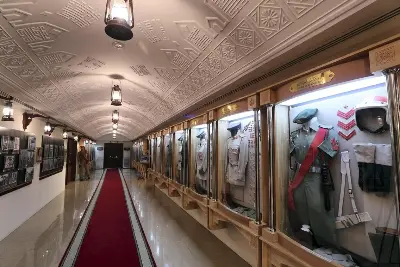
Dubai Police Museum
Dubai Police Museum showcases the history and evolution of Dubai's police force from its founding in 1956 to the present day – including the force's famous fleet of luxury supercar patrol vehicles. Visitors can explore historic uniforms, vintage patrol cars, firearms collections and interactive exhibits about modern policing technology, with the museum run directly by Dubai Police at their General Headquarters in Al Mamzar.Quick facts:Duration 45–60 minutes · Free entry · Run by Dubai Police · Historic vehiclesDid you know?Dubai Police's supercar patrol fleet – which includes a Lamborghini Aventador, Ferrari FF and Bugatti Veyron – has earned the force a Guinness World Record for the fastest police car in service.Best time to visit:Weekday mornings are best – the museum is inside the Dubai Police General HQ so advance registration may be required for non-Emirati visitors.Where to eat nearby:Al Mamzar district has several casual restaurants; Mamzar Beach Park is a short drive away for seaside dining options.Tip:Entry may require advance booking or ID presentation at the gate – call ahead or check the Dubai Police website before visiting. Prices may vary – check official website.
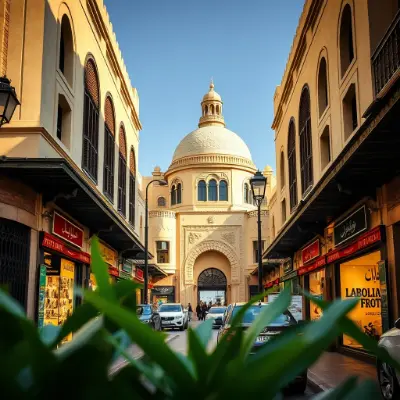
Naif Souk
Naif Souk is a traditional covered market in the heart of Deira's Naif district, spread across a modern air-conditioned souk building housing 300+ shops selling abayas, kaftans, burkhas, traditional clothing, fabrics, accessories, perfumes and everyday items at wholesale-adjacent prices. Popular with local Emirati and expat women for traditional dress shopping, it offers a more authentic local experience than the tourist-focused gold and spice souks nearby.Quick facts:Duration 1–2 hours · 300+ shops · Air-conditioned · Abayas & kaftansDid you know?Naif Souk is Dubai's largest traditional abaya and kaftan market – local women across the UAE travel here specifically for custom tailoring and bulk abaya purchases at wholesale prices.Best time to visit:Morning and early afternoon; most shops are open daily 8:30 AM – 11:30 PM though some smaller tailors close during lunch hours.Where to eat nearby:The surrounding Naif neighbourhood has authentic Indian, Iranian, Afghan and Emirati eateries – the area is famous for budget-friendly local cuisine.Tip:Come with a female family member or friend if seeking custom-tailored abayas – the mostly-female clientele means a more relaxed shopping experience compared to the Bur Dubai Textile Souk.
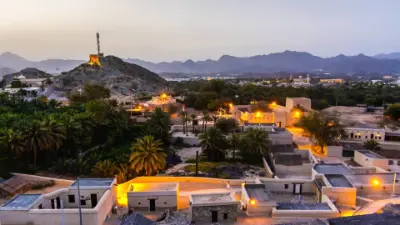
Hatta Heritage Village
Hatta Heritage Village is a meticulously restored traditional Emirati settlement set against the dramatic Hajar Mountains – offering a window into pre-1960s UAE life through its mud-brick houses, watchtowers, mosque, falaj irrigation system, and a museum displaying agricultural tools, traditional clothing, weaponry and household items. Built around the 200-year-old Hatta Fort, the village covers a hillside complex with traditional date palm gardens, a small souk and shaded resting areas.Quick facts:Duration 1–2 hours · Free entry · Open 8 AM – 8 PM · Dating from 1700sDid you know?Hatta Heritage Village contains a 200-year-old fort, watchtowers and a falaj irrigation system that's still partially functional today – making it one of the UAE's most authentic preserved traditional Emirati settlements.Best time to visit:Late afternoons (4–7 PM) for the most comfortable temperatures and the best lighting on the mud-brick architecture; cooler months (October–April) offer ideal exploring conditions.Where to eat nearby:The on-site café offers traditional Emirati tea and snacks; the wider Hatta area has additional restaurants near Hatta Wadi Hub and Hatta Fort Hotel.Tip:Combine with Hatta Hill Park, Hatta Dam, and the Honey Bee Discovery Centre for a complete cultural and outdoor day in the Hatta exclave.

Dubai Creek Abra Crossing
Dubai Creek Abra Crossing is Dubai's oldest operational public transport system, a traditional wooden abra ferry service crossing Dubai Creek between Bur Dubai Abra Station and Deira Old Souk Abra Station for just AED 1 per crossing. Operating since 1894, the 5-minute crossing by traditional wooden boats transports 20+ passengers at a time between the Spice Souk/Gold Souk area on the Deira side and the Textile Souk/Al Fahidi Historical District on the Bur Dubai side. Over 20 million passengers use the abras annually – making it one of the world's busiest traditional water transport systems.Quick facts:Duration 5 minutes · AED 1 fare · Since 1894 · Cash onlyDid you know?The Dubai Creek abra fare has remained AED 1 per crossing for over 30 years – despite Dubai's transformation into a global metropolis – as Dubai Municipality deliberately keeps the fare affordable to preserve the traditional character of the 130-year-old crossing.Best time to visit:Early mornings (7–10 AM) and evenings (after 5 PM) for the most scenic lighting on the creek and the traditional wooden dhows; afternoons can be very hot in summer.Where to eat nearby:The Bur Dubai and Deira sides have dozens of traditional restaurants within 5 minutes' walk; Al Fahidi's Arabian Tea House is particularly recommended for the authentic heritage dining experience.Tip:Carry exact AED 1 coins – abras accept cash only, no cards or Nol cards. Private abra hire is also available for AED 120 per hour for a scenic creek tour.
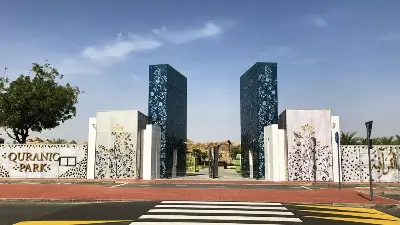
Quranic Park
Quranic Park is a 60-hectare educational and cultural park in Al Khawaneej dedicated to plants, miracles and stories mentioned in the Quran. Free to enter, it features the climate-controlled Glass House with 29 Quranic plants, the Cave of Miracles with animated displays of Prophetic miracles, an Orchard Garden with desert-adapted plants like the Sidr tree and pomegranate, plus a central lake with a walkway, outdoor amphitheatre and dedicated cycling and walking paths.Quick facts:Duration 2 hours · Free park entry · Glass House · Cave of MiraclesDid you know?The Quranic Park's Glass House features 29 plant species specifically mentioned in the Quran and Hadith – including olive, fig, pomegranate, date palm, ginger and grapes – grown in a climate-controlled environment.Best time to visit:Late afternoons and evenings, especially during the cooler October–April months; the park is quieter on weekday mornings.Where to eat nearby:Limited food options inside the park – Al Khawaneej and Mirdif neighbourhoods have many restaurants 10–15 minutes away.Tip:The Cave of Miracles and Glass House charge AED 5 each (paid via NOL card) – children under 6 and people of determination enter both attractions free. Prices may vary – check official website.
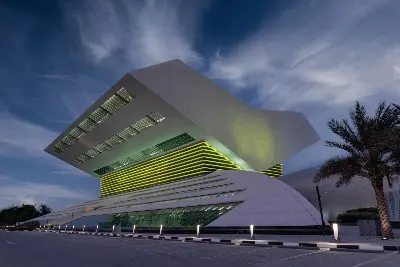
Mohammed Bin Rashid Library
The Mohammed Bin Rashid Library (MBRL) is Dubai's flagship cultural institution, a seven-storey landmark on Dubai Creek designed in the shape of an open book on a lectern. Opened in June 2022 at a cost of AED 1 billion, it houses over 4.5 million printed, digital and audio books across nine specialised libraries, plus a 550-seat theatre, exhibition spaces, a children's library, a rare books museum and a creekside café.Quick facts:Duration 2–3 hours · Free entry · 7 storeys · Closed SundaysDid you know?The library's striking lectern-shaped design makes it one of the most photographed modern buildings in Dubai – the structure took six years to build and is one of the largest cultural projects in Dubai's history.Best time to visit:Weekday mornings are quietest; book your slot online in advance as entry requires registration even though it's free.Where to eat nearby:The library has a two-storey café on site with creek views; nearby Al Jaddaf and Festival City offer a wider range of dining options.Tip:Don't miss the rare books museum on the top floor and the Languages Garden outside with 60 pillars quoting Sheikh Mohammed bin Rashid – both included with your free admission.
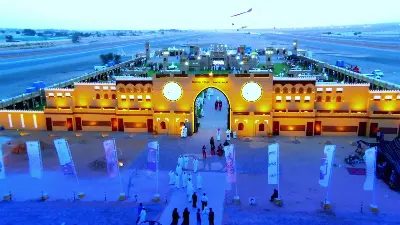
Al Marmoom Heritage Village
Al Marmoom Heritage Village is the UAE's premier authentic camel racing venue, home to the historic Dubai Camel Racing Club where traditional Emirati camel races take place daily during the season (October–April). Located in the Al Marmoom desert reserve along Dubai-Al Ain Road, the village features the 10 km racing track, viewing grandstands with covered tourist sections, the Al Marmoom Camel Hospital, training facilities and a heritage area showcasing traditional Bedouin culture. Races run from 6:00 to 9:00 AM at sunrise.Quick facts:Duration 2–3 hours · Free entry · Sunrise races · October–April seasonDid you know?Al Marmoom's camel races use small robotic jockeys – the UAE banned child jockeys in 2002 and replaced them with remote-controlled robots that owners operate from 4x4s driving alongside the racing track. The robots weigh just 2–3 kg each.Best time to visit:Early mornings (6:00–9:00 AM) during the October–April racing season for the most authentic experience and March-April for the annual festival; the desert sunrise during races offers spectacular photography.Where to eat nearby:On-site refreshment stands offer traditional Emirati coffee (gahwa), dates and snacks; the wider Al Marmoom area has limited dining – consider grabbing breakfast in Dubai before the trip.Tip:Tourists are welcome free of charge in the dedicated viewing areas – arrive by 5:45 AM during weekend race days. The races are authentic Emirati cultural events, not tourist shows. Bring binoculars for the best views.
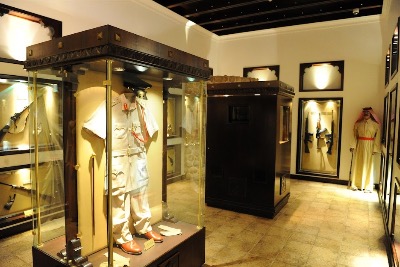
Naif Museum
Housed within a wing of the still-active Naif Police Station, this small museum occupies what was Dubai's first police headquarters, built in 1939 almost entirely from clay. Two compact showrooms trace the evolution of the city's police force and justice system since 1956, displaying uniforms, badges, weapons, and historical documents, with free admission and a complimentary cup of tea often offered to visitors.Quick facts:Free entry · two showrooms · built 1939 · former police HQ and jail · guided tours availableDid you know?The fort's tower, known as Al Makbad, was the very first part of the structure built in 1939 and doubled as a jail for detainees in its early years.Best time to visit:Weekday mornings, since the museum closes early afternoon and is shut entirely on Saturdays and Sundays.Where to eat nearby:The surrounding Naif and Deira area is dense with casual eateries and the nearby Naif Souq, ideal for a quick bite after the visit.Tip:Visit before 2:00 PM on weekdays since the museum closes early, and note it is not open at all on weekends. Free of charge – no booking required.
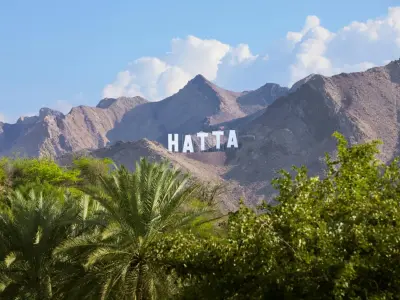
Hatta Dubai
Hatta is Dubai's mountain exclave – a 90-minute scenic drive from Downtown Dubai through the Hajar Mountains, offering a complete cultural, adventure and natural getaway from city life. The 1,793 sq km region encompasses Hatta Heritage Village (the restored 18th-century Emirati settlement), Hatta Dam (the iconic turquoise reservoir famous for kayaking), Hatta Wadi Hub (the Middle East's premier outdoor adventure complex with zip-lines and glamping), Hatta Mountain Bike Trail Centre (50+ km of IMBA-standard trails), Hatta Hill Park (free hilltop park with panoramic views), Hatta Honey Bee Discovery Centre (working honey farm), and Hatta Rock Pools (natural mountain swimming pools).Quick facts:90 mins from Dubai · Mountain getaway · 7+ key attractions · Year-round destinationDid you know?Hatta is technically a Dubai exclave – completely surrounded by Sharjah territory and the Sultanate of Oman, requiring travel through other emirates to reach. The region was historically important for trade and freshwater springs from the Hajar Mountains.Best time to visit:Cooler months (October–April) offer the most comfortable temperatures for outdoor activities; weekday visits significantly less crowded than weekends.Where to eat nearby:JA Hatta Fort Hotel offers fine dining; Hatta Wadi Hub has multiple casual food trucks; Hatta Heritage Village has a traditional Emirati café.Tip:Plan a full day or overnight stay – Hatta offers enough attractions for at least 2 days. Stay at JA Hatta Fort Hotel, Hatta Wadi Hub glamping, or the Damani Lodges for an authentic mountain getaway. Prices may vary – check official website.

Camel Trekking Experience
Camel Trekking Experience is a traditional desert activity offered as standalone tours or included in desert safari packages, providing 15-minute to 2-hour camel rides through the desert dunes. Operated by Arabian Adventures, Platinum Heritage and multiple desert tour operators, the experience uses trained domesticated dromedary camels with handlers leading small groups in traditional caravan formation. Premium options include sunrise/sunset timing, professional photographers, and Bedouin-style refreshments served during rest stops.Quick facts:Duration 15 mins – 2 hours · Traditional camels · Handler-led · Sunrise/sunsetDid you know?The Arabian camel (dromedary) can go 10 days without water in summer heat – used for desert travel for over 4,000 years by Bedouin tribes. The camels used in Dubai tourism are specifically trained for tourist riding and are handled by experienced Emirati and expat trainers.Best time to visit:Sunrise (6–8 AM) and sunset (4–6 PM) for the most comfortable temperatures and best photography; cooler months (October–April) ideal.Where to eat nearby:Traditional Bedouin refreshments during rest stops (Arabic coffee, dates); full dining available as part of desert safari packages.Tip:Book combination packages with desert safari or dune bashing for better value than standalone camel rides. Wear long trousers to avoid leg rubbing during longer trek durations. Prices may vary – check official website.
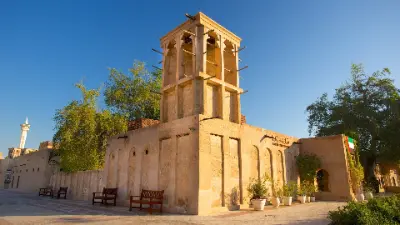
Sheikh Mohammed Cultural Centre
The Sheikh Mohammed Centre for Cultural Understanding (SMCCU) is a non-profit cultural institution in the Al Fahidi Historical Neighbourhood dedicated to bridging the gap between Emiratis and the international community. Operating under the motto "Open Doors, Open Minds", SMCCU runs traditional Emirati breakfasts, lunches and dinners, heritage walks, Jumeirah Mosque tours and Q&A sessions where visitors can ask their hosts anything about Emirati culture, religion and traditions.Quick facts:Duration 75–90 minutes · Founded 1998 · Closed Saturdays · In Al FahidiDid you know?SMCCU has been hosting its famous "Cultural Meals" since 1998 – making it one of the longest-running interfaith and intercultural outreach programmes in the Gulf region.Best time to visit:Morning cultural breakfasts (10:00 AM) and lunchtime sessions are the most popular – book at least 48 hours in advance through the SMCCU website.Where to eat nearby:The experience itself includes a traditional Emirati meal; if you want more, the Arabian Tea House and XVA Café just outside offer additional traditional dining.Tip:The Cultural Meals include unlimited Q&A with your Emirati host – the famous line is "Open Doors, Open Minds", meaning no question is off-limits. Prices may vary – check official website.
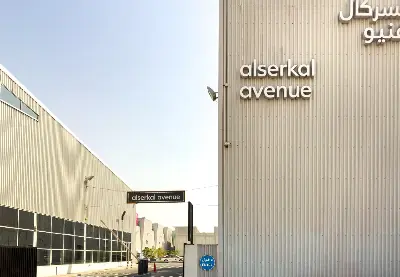
Alserkal Avenue
Alserkal Avenue is Dubai's contemporary art and creative industries hub, a 500,000 sqft converted warehouse complex in Al Quoz industrial district housing 70+ tenants including art galleries, design studios, independent boutiques, speciality cafés, restaurants, performance venues and the iconic Concrete cultural space. Founded by Abdelmonem Bin Eisa Alserkal in 2007, it's become the Middle East's leading contemporary art destination, hosting international exhibitions, the annual Galleries Night, the weekly Saturday farmers market, design fairs and creative workshops.Quick facts:Duration 2–4 hours · 70+ tenants · Free gallery entry · Saturday marketDid you know?Alserkal Avenue was originally a complex of marble warehouses – the founder transformed them into Dubai's first dedicated arts district in 2007, predating the Dubai Design District by 8 years and pioneering Dubai's contemporary creative scene.Best time to visit:Saturday mornings (10 AM – 1 PM) for the popular farmers market combined with active gallery viewing; evenings during the cooler months for outdoor courtyard dining.Where to eat nearby:On-site dining includes Wild & The Moon (vegan), Nightjar Coffee (third-wave coffee), Brix Dessert Boutique (artisan desserts), and Tabbal Beirut (Lebanese).Tip:Most galleries are free to enter and offer rotating exhibitions every 2–3 months – check the Alserkal Avenue website for current shows. Saturdays are busiest; weekday visits offer quieter gallery experiences.

Al Karama Market
Al Karama Old Market is Dubai's go-to destination for bargain shopping and inexpensive souvenirs, a grid of narrow streets in the Karama neighbourhood packed with 200+ small shops selling clothes, handbags, accessories, shoes, perfumes, watches, electronics and souvenirs at heavily negotiable prices. Famously known as "Bargain Street" or "Karama Copy Market", it's a sensory experience where haggling is expected and foreign tourists are the primary clientele.Quick facts:Duration 1–2 hours · 200+ shops · Free entry · Heavy bargainingDid you know?Karama's merchants will often take customers to hidden side-room storerooms where "premium" versions of requested items are kept – this is a normal part of the Karama shopping culture but tourists should use judgment.Best time to visit:Morning and early afternoon when the market is quieter; evenings bring tour groups and more aggressive selling.Where to eat nearby:The Karama neighbourhood has some of Dubai's best authentic Indian, Pakistani, Filipino and South Asian restaurants – Karama's food scene is as famous as its shopping.Tip:Never accept the first price – typical opening prices are 200–400% above final prices. Walk away to test the seller's flexibility, and shop with a specific budget in mind.
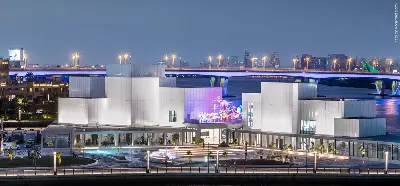
Jameel Arts Centre
Jameel Arts Centre is one of Dubai's first independent contemporary art institutions, set along the Jaddaf Waterfront on Dubai Creek. Founded by philanthropist Abdul Latif Jameel and opened in 2018, the three-storey complex features over 1,000 sqm of rotating gallery space, an outdoor sculpture park, seven desert-inspired gardens, a rooftop terrace, research library, writer's studio, and the Michelin Green Star restaurant Teible.Quick facts:Duration 2 hours · Free entry · Sculpture park · Closed TuesdaysDid you know?Jameel Arts Centre was recognised in the inaugural Art Basel Awards in the Museums and Institutions category – and the on-site Teible restaurant holds a Michelin Green Star for sustainable dining.Best time to visit:Weekday afternoons are quietest; allow at least 2 hours to explore the galleries, sculpture park and rooftop terrace.Where to eat nearby:Teible inside the centre offers Michelin-recognised farm-to-table dining; the nearby Jaddaf Waterfront promenade has several cafés and restaurants with creek views.Tip:Entry is completely free – combine with a visit to the adjacent Jaddaf Waterfront Sculpture Park, the UAE's first open-air sculpture park, at no extra cost.
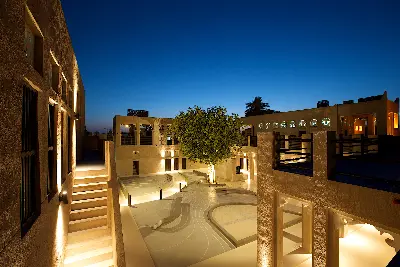
Saruq Al-Hadid Archaeological Museum
The Saruq Al-Hadid Archaeological Museum displays artefacts from one of the UAE's most important archaeological sites – an Iron Age metalworking centre deep in the Al Marmoom desert, discovered by Sheikh Mohammed bin Rashid Al Maktoum himself during a 2002 helicopter flight. Housed in a beautifully restored 1928 wind-tower building in Al Shindagha, the museum showcases gold jewellery, weapons, pottery and bronze artefacts dating back over 3,000 years.Quick facts:Duration 45–60 minutes · Opened 2016 · In historic 1928 building · Iron Age findsDid you know?An ornate gold ring found at Saruq Al-Hadid inspired the official logo of Expo 2020 Dubai – directly linking the emirate's ancient past to its global ambitions.Best time to visit:Weekday mornings are quietest – the museum is small and rarely crowded, making it an ideal 45-minute stop during an Al Shindagha heritage walk.Where to eat nearby:The Shindagha promenade has several traditional cafés; Bait Al Wakeel nearby offers Emirati seafood with creek views.Tip:Buy the tickets directly at the counter upon arrival for the fastest, easiest entry. Adults pay 20 AED and children aged 7–12 pay 10 AED; under 7s and seniors enter free. Always check the official website for current pricing.
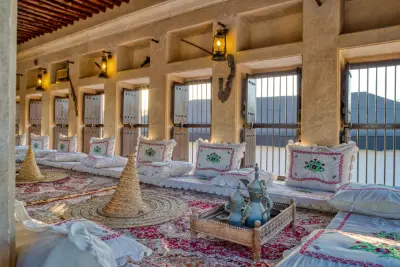
Majlis Ghorfat Umm Al Sheif
Majlis Ghorfat Umm Al Sheif is a beautifully preserved two-storey coral-and-gypsum building that served as the summer retreat of the late Sheikh Rashid bin Saeed Al Maktoum from 1955. Tucked away in the Jumeirah residential area, this small but historically significant majlis offers a rare glimpse of traditional Emirati architecture and royal life before the oil era transformed Dubai.Quick facts:Duration 30–45 minutes · Built 1955 · Traditional coral construction · Small entry feeDid you know?The building takes its name from its upper-floor majlis (meeting room) – 'Umm Al Sheif' translates roughly as 'mother of the reef', a reference to the nearby coastline.Best time to visit:Weekday mornings are quietest – the heritage site is rarely crowded and guides are available for informal tours of the rooms.Where to eat nearby:Mercato Mall is a five-minute drive away with a variety of cafés and restaurants; the beachfront at Jumeirah Beach is also nearby for a post-visit stroll.Tip:Combine with a visit to Jumeirah Mosque and Etihad Museum for a full half-day of Emirati heritage sites. Prices may vary – check official website.
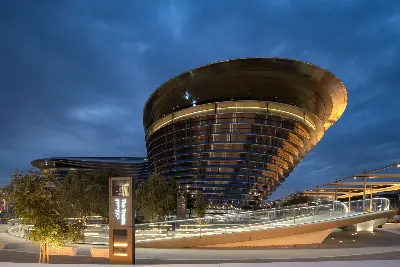
Alif (Expo City)
Alif – The Mobility Pavilion is Expo City Dubai's flagship transportation and human-progress attraction, a futuristic domed structure featuring a guided tour through the history and future of mobility – from ancient Arab civilization explorers to the Emirates Mars Mission. Highlights include the world's largest passenger lift (carrying 160 people across 3 storeys simultaneously), giant life-sized bronze statues of historic travellers (Ibn Battuta, Zheng He), immersive audio-visual storytelling, a virtual Mars surface simulation and interactive AI-driven displays about future mobility.Quick facts:Duration 1 hour · World's largest elevator · Guided tours · Mars simulationDid you know?Alif contains the world's largest passenger elevator – a 160-person lift that transports visitors across 3 storeys as part of the experience. The elevator itself is an attraction, travelling through an immersive projection tunnel that becomes part of the storytelling.Best time to visit:Weekday afternoons for the smallest crowds and best guided tour availability; the AI-interactive sections are most engaging when less crowded.Where to eat nearby:The wider Expo City has 30+ dining options within 10 minutes' walk; the closest is the Expo City Mall food court.Tip:Alif is typically visited on a guided tour – wait times vary by season. The experience is more engaging for adults than Terra; best suited for ages 10+. Prices may vary – check official website.