
Museums in Dubai
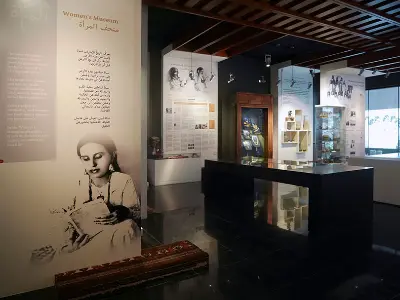
Women's Museum
The Women's Museum (Bait Al Banat) is a small but significant heritage museum dedicated to celebrating the contributions of Emirati women across history. Housed in a restored 1950s residence in the heart of Deira's Gold Souk district, the museum was founded by Emirati academic Rafia Ghubash and showcases the lives and achievements of Emirati women in fields ranging from art and literature to politics and business.Quick facts:Duration 45–60 minutes · Opened 2012 · In the Gold Souk area · Rotating exhibitsDid you know?Bait Al Banat – literally "the girls' house" – was originally the home of three unmarried Emirati sisters in the 1950s, and the museum retains the feel of a family residence throughout its displays.Best time to visit:Weekday mornings are quietest – combine with a visit to the nearby Gold Souk and Perfume Souk for a full Old Dubai heritage morning.Where to eat nearby:The surrounding Deira district has dozens of authentic Indian, Pakistani and Iranian eateries; the Waterfront Market is a short walk for fresh seafood.Tip:The museum is tucked away in a back street of the Gold Souk – follow signs from 45th Street, or ask a local for directions if you can't find the entrance. Prices may vary – check official website.
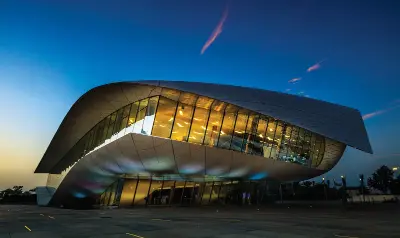
Etihad Museum
Etihad Museum is Dubai's flagship modern museum dedicated to the founding of the United Arab Emirates in 1971. Located on the exact site where the founding document was signed, the striking manuscript-inspired building spans 25,000 sqm and features eight interactive pavilions that chart the chronology of events between 1968 and 1974 that led to the unification of the seven emirates.Quick facts:Duration 1.5–2 hours · 8 pavilions · Opened 2017 · On the Union House siteDid you know?The museum's curved glass roof is designed to resemble the manuscript of the UAE's founding constitution, and seven columns in the forecourt represent the pens used by the seven founding rulers to sign the document.Best time to visit:Weekday mornings (10:00 AM – 1:00 PM) are quietest; allow at least 90 minutes to explore all eight pavilions and the outdoor Union House.Where to eat nearby:The museum has an on-site café serving Emirati dishes; nearby Jumeirah Beach Road is packed with cafés and restaurants ranging from casual brunch spots to fine dining.Tip:Don't skip the outdoor Union House – the original meeting hall where the UAE was founded – included in your ticket. Prices may vary – check official website.
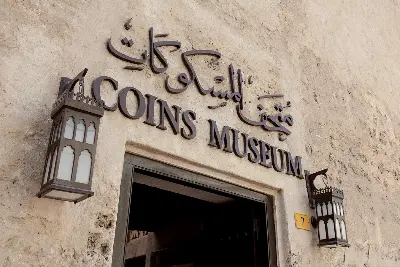
Coins Museum Dubai
The Coins Museum is a small but fascinating heritage museum in the Al Fahidi Historical Neighbourhood dedicated to the history of currency in the Arabian Peninsula and the wider Islamic world. Housed in a restored traditional house, the museum displays more than 470 rare coins spanning 1,500 years of history – from early Islamic dirhams to Ottoman currency, Portuguese trade coins and modern UAE dirhams.Quick facts:Duration 30–45 minutes · Free entry · In Al Fahidi · 470+ coins on displayDid you know?The museum's collection includes coins minted in the 7th century during the early Islamic caliphates – some of the oldest pieces of currency ever used in the Arabian Peninsula.Best time to visit:Weekday mornings are quietest – the museum is small and rarely crowded, and combines well with other free Al Fahidi museums.Where to eat nearby:Arabian Tea House and XVA Café are both within a short walk, offering traditional Emirati and vegetarian options in beautiful heritage courtyards.Tip:Since entry is free, the Coins Museum pairs well with the free Coffee Museum and the Dubai Museum as a budget-friendly Al Fahidi heritage circuit.
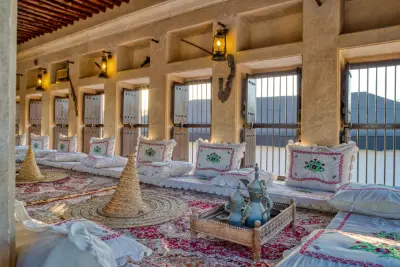
Majlis Ghorfat Umm Al Sheif
Majlis Ghorfat Umm Al Sheif is a beautifully preserved two-storey coral-and-gypsum building that served as the summer retreat of the late Sheikh Rashid bin Saeed Al Maktoum from 1955. Tucked away in the Jumeirah residential area, this small but historically significant majlis offers a rare glimpse of traditional Emirati architecture and royal life before the oil era transformed Dubai.Quick facts:Duration 30–45 minutes · Built 1955 · Traditional coral construction · Small entry feeDid you know?The building takes its name from its upper-floor majlis (meeting room) – 'Umm Al Sheif' translates roughly as 'mother of the reef', a reference to the nearby coastline.Best time to visit:Weekday mornings are quietest – the heritage site is rarely crowded and guides are available for informal tours of the rooms.Where to eat nearby:Mercato Mall is a five-minute drive away with a variety of cafés and restaurants; the beachfront at Jumeirah Beach is also nearby for a post-visit stroll.Tip:Combine with a visit to Jumeirah Mosque and Etihad Museum for a full half-day of Emirati heritage sites. Prices may vary – check official website.
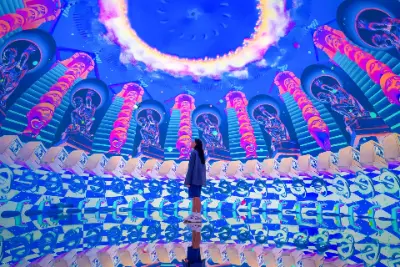
House of Hype
House of Hype is Dubai's newest experiential attraction inside The Dubai Mall, featuring 25 interactive immersive worlds spanning over 100 experiences under one roof. Described as "not a museum or a theme park", it combines neon-filled cities, sound and light shows, hidden rooms, live performances, digital graffiti walls, LED panels, gaming tournaments and Instagram-ready selfie zones into a high-energy, fast-paced adventure aimed at the social media generation.Quick facts:Duration 60–90 minutes · 25 worlds · At Dubai Mall · 100+ experiencesDid you know?House of Hype's "spontaneous performances" – unexpected live shows that can break out anywhere in the space – mean no two visits are ever the same, even if you return multiple times.Best time to visit:Weekday afternoons for smaller crowds; the venue is designed for social media content so weekends can get busy with TikTokers and Instagrammers.Where to eat nearby:Dubai Mall has hundreds of restaurants on the same level; House of Hype itself has unexpected food stops woven into the experience.Tip:Bring a fully-charged phone and wear colourful clothing – every corner is designed for photos, and many visitors dress specifically for the neon-lit backdrops. Prices may vary – check official website.
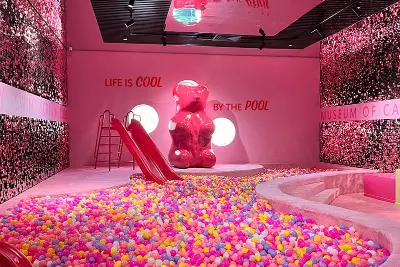
Museum of Candy
The Museum of Candy is a colourful, Instagram-friendly interactive attraction in Dubai dedicated to the history, science and joy of sweet treats. Spread across multiple themed rooms – from a giant lollipop forest to a chocolate river room and a gigantic donut ball pit – the experience blends photo opportunities, sweet tastings and educational content about the global candy industry, designed for both kids and adults.Quick facts:Duration 1–1.5 hours · Themed rooms · Photo-friendly · Includes tastingsDid you know?The Museum of Candy is part of a growing global trend of "experience museums" – interactive photo-friendly attractions designed to be shared on social media, with locations in cities like New York, San Francisco and Shanghai.Best time to visit:Weekday afternoons are quietest; weekends and school holidays get busy with families and birthday groups.Where to eat nearby:Depending on location – if based at Dubai Mall or a major mall, hundreds of dining options are within the mall itself; check the current venue for specific nearby options.Tip:Bring your camera – every room is designed for photos, and many visitors come as much for the Instagram shots as for the candy tastings. Prices may vary – check official website.
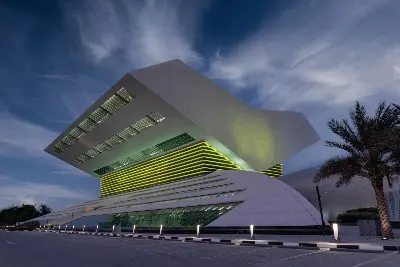
Mohammed Bin Rashid Library
The Mohammed Bin Rashid Library (MBRL) is Dubai's flagship cultural institution, a seven-storey landmark on Dubai Creek designed in the shape of an open book on a lectern. Opened in June 2022 at a cost of AED 1 billion, it houses over 4.5 million printed, digital and audio books across nine specialised libraries, plus a 550-seat theatre, exhibition spaces, a children's library, a rare books museum and a creekside café.Quick facts:Duration 2–3 hours · Free entry · 7 storeys · Closed SundaysDid you know?The library's striking lectern-shaped design makes it one of the most photographed modern buildings in Dubai – the structure took six years to build and is one of the largest cultural projects in Dubai's history.Best time to visit:Weekday mornings are quietest; book your slot online in advance as entry requires registration even though it's free.Where to eat nearby:The library has a two-storey café on site with creek views; nearby Al Jaddaf and Festival City offer a wider range of dining options.Tip:Don't miss the rare books museum on the top floor and the Languages Garden outside with 60 pillars quoting Sheikh Mohammed bin Rashid – both included with your free admission.
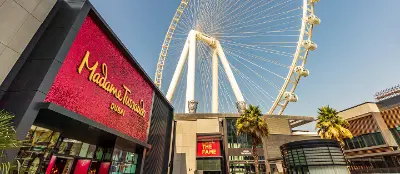
Madame Tussauds Dubai
Madame Tussauds Dubai is the Middle East's first branch of the world-famous wax museum chain, located at Bluewaters Island next to Ain Dubai. The museum features 60+ lifelike wax figures of global celebrities and Middle Eastern icons across seven themed zones: Music, Fashion, Film, Leaders, Media, Bollywood and Sports – including Leonardo DiCaprio, Shah Rukh Khan, Cristiano Ronaldo, Lewis Hamilton, Kylie Jenner and Queen Elizabeth II.Quick facts:Duration 1.5–2 hours · 60+ wax figures · 7 themed zones · On Bluewaters IslandDid you know?Every wax figure at Madame Tussauds Dubai is crafted using the same 200-year-old technique pioneered by Marie Tussaud herself in the 1830s, with a team of 20 sculptors spending months on each figure.Best time to visit:Weekday afternoons are the quietest – weekends and Bollywood Zone can get particularly busy with large groups.Where to eat nearby:Bluewaters Island is packed with restaurants including Cove Beach, Nikki Beach and Luigia; The Beach at JBR is a short walk away over the pedestrian bridge.Tip:Unlike most museums, there are no ropes or barriers – you're encouraged to get up close, touch the figures and pose for photos. Bring a fully-charged phone. Prices may vary – check official website.
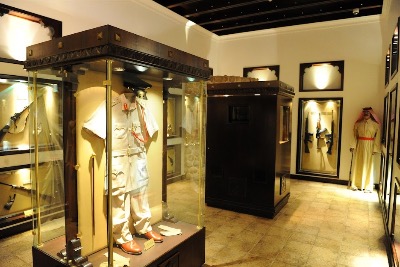
Naif Museum
Housed within a wing of the still-active Naif Police Station, this small museum occupies what was Dubai's first police headquarters, built in 1939 almost entirely from clay. Two compact showrooms trace the evolution of the city's police force and justice system since 1956, displaying uniforms, badges, weapons, and historical documents, with free admission and a complimentary cup of tea often offered to visitors.Quick facts:Free entry · two showrooms · built 1939 · former police HQ and jail · guided tours availableDid you know?The fort's tower, known as Al Makbad, was the very first part of the structure built in 1939 and doubled as a jail for detainees in its early years.Best time to visit:Weekday mornings, since the museum closes early afternoon and is shut entirely on Saturdays and Sundays.Where to eat nearby:The surrounding Naif and Deira area is dense with casual eateries and the nearby Naif Souq, ideal for a quick bite after the visit.Tip:Visit before 2:00 PM on weekdays since the museum closes early, and note it is not open at all on weekends. Free of charge – no booking required.

OliOli Children's Play Museum
OliOli is Dubai's premier children's experiential play museum, an 8-gallery 35,000 sqft interactive learning centre in Al Quoz designed specifically for children ages 2–11. Each themed gallery combines hands-on activities with educational content including the Forts gallery (reconstruction play), the Water gallery (fluid dynamics experiments), the Creative Arts gallery, the Future Park (science experiments), the Air gallery, the Toys gallery with giant-scale constructions, and a dedicated toddler area. Popular for birthday parties with multiple package options and dedicated event spaces.Quick facts:Duration 3–4 hours · 8 themed galleries · Ages 2–11 · Birthday packagesDid you know?OliOli is one of the few dedicated children's play museums in the Middle East – the name comes from the Hawaiian word "oli oli" meaning "joy" – reflecting the museum's mission to make learning genuinely joyful through hands-on discovery.Best time to visit:Weekday mornings for the smallest crowds and most peaceful exploration; weekends can get busy but offer special workshops and events.Where to eat nearby:On-site café for snacks and meals; the wider Al Quoz area has limited dining – Alserkal Avenue (10 minutes' drive) has many cafés.Tip:Book timed-entry tickets online in advance during peak periods (weekends, school holidays); birthday party packages book up 3–4 weeks in advance. Prices may vary – check official website.
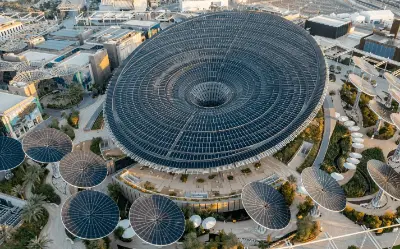
Terra (Expo City)
Terra – The Sustainability Pavilion is Expo City Dubai's flagship environmental attraction, an award-winning architectural masterpiece featuring a 130m-diameter solar-powered canopy generating its own electricity. The interactive journey takes visitors through immersive experiences including the forest roots exhibition, the ocean depths underwater tunnel, a gravity-defying sensory room and hands-on sustainability workshops – all designed to teach about humanity's environmental impact and solutions. Transformed post-Expo 2020 into a science centre primarily for kids and school groups.Quick facts:Duration 1.5 hours · Solar-powered canopy · Science centre · Kids-focusedDid you know?Terra's massive solar canopy generates 4 gigawatt-hours of clean energy annually – enough to make the entire pavilion energy self-sufficient. The canopy was the first of its kind in the world when it opened in 2021 for Expo 2020 Dubai.Best time to visit:Weekday mornings for the most educational experience with school groups; weekends can be busier but offer more hands-on workshop availability.Where to eat nearby:On-site café with sustainable menu; the wider Expo City has 30+ dining options within walking distance.Tip:Most engaging for families with children aged 5–14; the hands-on exhibits and interactive science displays are specifically designed to inspire the next generation of environmentalists. Prices may vary – check official website.
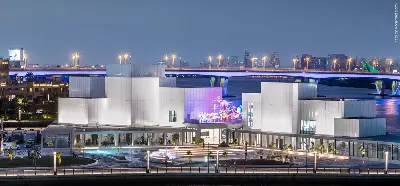
Jameel Arts Centre
Jameel Arts Centre is one of Dubai's first independent contemporary art institutions, set along the Jaddaf Waterfront on Dubai Creek. Founded by philanthropist Abdul Latif Jameel and opened in 2018, the three-storey complex features over 1,000 sqm of rotating gallery space, an outdoor sculpture park, seven desert-inspired gardens, a rooftop terrace, research library, writer's studio, and the Michelin Green Star restaurant Teible.Quick facts:Duration 2 hours · Free entry · Sculpture park · Closed TuesdaysDid you know?Jameel Arts Centre was recognised in the inaugural Art Basel Awards in the Museums and Institutions category – and the on-site Teible restaurant holds a Michelin Green Star for sustainable dining.Best time to visit:Weekday afternoons are quietest; allow at least 2 hours to explore the galleries, sculpture park and rooftop terrace.Where to eat nearby:Teible inside the centre offers Michelin-recognised farm-to-table dining; the nearby Jaddaf Waterfront promenade has several cafés and restaurants with creek views.Tip:Entry is completely free – combine with a visit to the adjacent Jaddaf Waterfront Sculpture Park, the UAE's first open-air sculpture park, at no extra cost.

Private Classic Car Collection
The Private Classic Car Collection is a hidden gem in Deira housing 70+ vintage and classic vehicles plus a retro aircraft, all displayed inside the Al Serkal Building on Al Maktoum Road. Completely free to visit, this under-the-radar museum showcases the private collection of Nasser Bin Abdul Latif, featuring beautifully restored cars spanning over a century of automotive history – from early 20th century classics to iconic American muscle cars and European sports cars.Quick facts:Duration 1 hour · Free entry · 70+ vehicles · Weekdays onlyDid you know?The collection is a genuine hidden gem that most Dubai visitors never discover – completely free to enter and run as a passion project by its owner, with a retro aircraft displayed alongside the cars.Best time to visit:Weekday mornings only – the museum is open Monday to Friday during business hours and closed on weekends.Where to eat nearby:The Deira area has dozens of authentic Indian, Pakistani and Arab eateries; the Waterfront Market is a short drive away for fresh seafood.Tip:Call ahead to confirm opening times as the collection is privately owned and hours can vary – and remember it's completely free, so it's one of Dubai's best-value cultural experiences.
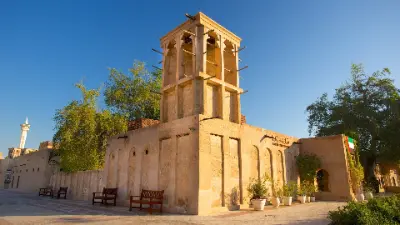
Sheikh Mohammed Cultural Centre
The Sheikh Mohammed Centre for Cultural Understanding (SMCCU) is a non-profit cultural institution in the Al Fahidi Historical Neighbourhood dedicated to bridging the gap between Emiratis and the international community. Operating under the motto "Open Doors, Open Minds", SMCCU runs traditional Emirati breakfasts, lunches and dinners, heritage walks, Jumeirah Mosque tours and Q&A sessions where visitors can ask their hosts anything about Emirati culture, religion and traditions.Quick facts:Duration 75–90 minutes · Founded 1998 · Closed Saturdays · In Al FahidiDid you know?SMCCU has been hosting its famous "Cultural Meals" since 1998 – making it one of the longest-running interfaith and intercultural outreach programmes in the Gulf region.Best time to visit:Morning cultural breakfasts (10:00 AM) and lunchtime sessions are the most popular – book at least 48 hours in advance through the SMCCU website.Where to eat nearby:The experience itself includes a traditional Emirati meal; if you want more, the Arabian Tea House and XVA Café just outside offer additional traditional dining.Tip:The Cultural Meals include unlimited Q&A with your Emirati host – the famous line is "Open Doors, Open Minds", meaning no question is off-limits. Prices may vary – check official website.
Alif (Expo City)
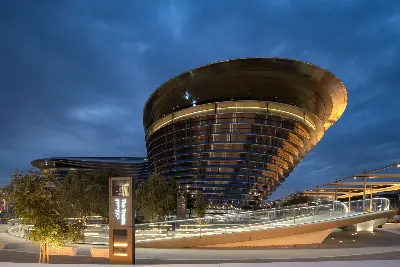
Alif – The Mobility Pavilion is Expo City Dubai's flagship transportation and human-progress attraction, a futuristic domed structure featuring a guided tour through the history and future of mobility – from ancient Arab civilization explorers to the Emirates Mars Mission. Highlights include the world's largest passenger lift (carrying 160 people across 3 storeys simultaneously), giant life-sized bronze statues of historic travellers (Ibn Battuta, Zheng He), immersive audio-visual storytelling, a virtual Mars surface simulation and interactive AI-driven displays about future mobility.Quick facts:Duration 1 hour · World's largest elevator · Guided tours · Mars simulationDid you know?Alif contains the world's largest passenger elevator – a 160-person lift that transports visitors across 3 storeys as part of the experience. The elevator itself is an attraction, travelling through an immersive projection tunnel that becomes part of the storytelling.Best time to visit:Weekday afternoons for the smallest crowds and best guided tour availability; the AI-interactive sections are most engaging when less crowded.Where to eat nearby:The wider Expo City has 30+ dining options within 10 minutes' walk; the closest is the Expo City Mall food court.Tip:Alif is typically visited on a guided tour – wait times vary by season. The experience is more engaging for adults than Terra; best suited for ages 10+. Prices may vary – check official website.

AYA Universe
AYA Universe is Dubai's most-visited immersive digital art experience, a 2,800 sqm multi-sensory attraction at Wafi City featuring 12 themed zones blending light, sound, projection mapping, motion sensors and interactive installations. Each zone transports visitors into a different imaginary world – from digital forests and celestial galaxies to underwater realms and abstract dreamscapes – all designed by AYA's own creative team to create a complete sensory journey lasting 60–90 minutes.Quick facts:Duration 60–90 mins · 12 zones · Immersive digital · At Wafi CityDid you know?AYA Universe opened in December 2022 as Dubai's largest immersive digital experience – the "AYA Passport" provided at entry uses motion sensors to trigger personalised effects as you move through each themed zone.Best time to visit:Weekday afternoons for the smallest crowds; evenings and weekends get busy with photography enthusiasts.Where to eat nearby:Wafi City has multiple restaurants and cafés; the adjacent Oud Metha area has additional dining options along Oud Metha Road.Tip:Allow at least 90 minutes – rushing through AYA Universe misses the detailed interactive elements in each zone. Photography is encouraged throughout. Prices may vary – check official website.
Emirates Soil Museum
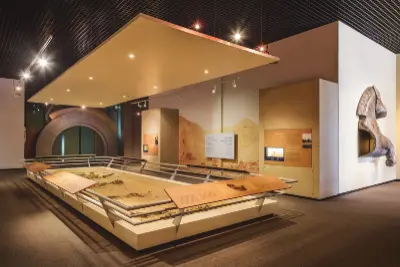
The Emirates Soil Museum is a unique scientific museum dedicated to the study of soil science in the arid Gulf region – the first of its kind in the UAE. Operated by the International Center for Biosaline Agriculture (ICBA) in Dubai, the museum features interactive exhibits on soil formation, desert ecosystems, sustainable agriculture and the often-overlooked role of soils in supporting life, making it a surprisingly engaging stop for families and students.Quick facts:Duration 45–60 minutes · Free entry · At ICBA campus · Weekdays onlyDid you know?The Emirates Soil Museum is the first soil science museum in the Arab world and one of only a handful globally – it was launched with support from the International Union of Soil Sciences.Best time to visit:Weekday mornings only – the museum operates on standard business hours and closes on Fridays and Saturdays.Where to eat nearby:The ICBA campus in Dubai's Al Ruwayyah area is relatively remote – pack snacks or plan to drive to nearby Mirdif or International City for restaurant options.Tip:Call ahead to confirm opening hours – the museum is a research facility first and may require pre-booking for group visits or guided tours. Prices may vary – check official website.
Legendarium Fantastic Museum
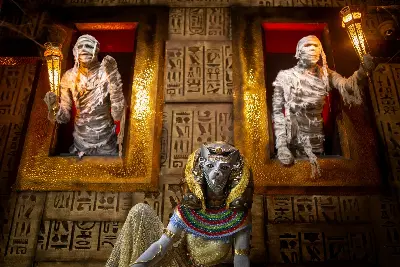
The Legendarium Fantastic Museum is a whimsical family attraction at Dubai Festival City Mall featuring interactive exhibits about mythical creatures, legendary beings and fantasy worlds. Themed as the discoveries of fictional Professor Legendar, the museum showcases elaborate displays of dragons, fairies, mermaids, unicorns and other legendary creatures, combining storytelling with immersive scenography and photo-friendly installations throughout.Quick facts:Duration 1–1.5 hours · At Festival City Mall · Family-friendly · IndoorDid you know?The Legendarium is designed around the fictional character Professor Legendar, whose "discoveries" of mythical creatures form the narrative thread running through every exhibit in the museum.Best time to visit:Weekday afternoons are quietest; weekends and school holidays bring families and organised kids' groups.Where to eat nearby:Dubai Festival City Mall has dozens of restaurants including the waterfront Festival Bay dining area with views of the IMAGINE show.Tip:Combine with Dubai Festival City Mall's free evening IMAGINE water and light show for a full family outing in Festival City. Prices may vary – check official website.
Illusion City
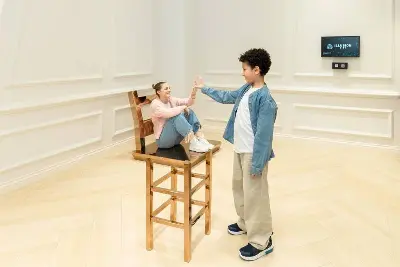
Illusion City is an immersive museum of wonderment at The Wharf Mall on Bluewaters Island, curating a collection of optical, auditory and tactile illusions, holograms, 3D effects and interactive exhibits from around the world. Visitors can walk on ceilings, cross the famous Vortex Tunnel, experience magic tricks and test the limits of their own perception, guided by staff "photo geniuses" who help capture the best shots.Quick facts:Duration 1–1.5 hours · On Bluewaters · Free parking · Indoor venueDid you know?Illusion City works with staff called "Photo Geniuses" whose full-time job is to help visitors find the best angles and poses for each illusion – turning every visit into a professional photo shoot.Best time to visit:Weekday afternoons are quietest; plan 90 minutes and combine with Madame Tussauds next door for a full Bluewaters culture outing.Where to eat nearby:Bluewaters Island has dozens of restaurants including Cove Beach, Nikki Beach and Luigia; The Wharf Mall also has casual dining options.Tip:Free parking is validated for up to 3 hours – request validation at the front desk before or after your visit. Prices may vary – check official website.
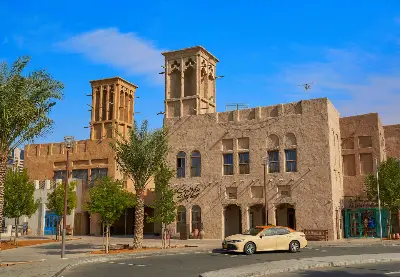
Al Fahidi Historical District
Al Fahidi Historical District is Dubai's most important preserved heritage neighbourhood, a 1.2 km labyrinth of restored 19th-century coral-and-gypsum buildings with iconic wind-tower architecture along the Dubai Creek. Originally home to Persian textile and pearl-trading merchants who settled here in the 1890s, the district now houses the Sheikh Mohammed Centre for Cultural Understanding, multiple museums (Coffee Museum, Coins Museum), art galleries, traditional cafés (Arabian Tea House, XVA Café), boutique guesthouses and the historic Diwan Mosque – all set within shaded narrow alleyways perfect for slow exploration.Quick facts:Duration 2–3 hours · Free entry · Open 7 AM – 8 PM · Wind-tower architectureDid you know?The wind towers (barjeel) throughout Al Fahidi are the world's oldest form of natural air conditioning – designed by Persian merchants 130+ years ago to channel cool breezes down into the rooms below, reducing indoor temperatures by up to 10 degrees without electricity.Best time to visit:Early morning (7–10 AM) for cool temperatures and the best lighting on the coral architecture; evenings (5–8 PM) offer atmospheric lit-alley views.Where to eat nearby:Arabian Tea House (traditional Emirati cuisine), XVA Café (vegetarian), and Local House (traditional Emirati fare including camel burgers) – all within the district itself.Tip:Combine with an abra (traditional water taxi) ride from the adjacent Bur Dubai Abra Station to Deira Old Souk – a historic 1 AED crossing that's been operating for over 100 years.
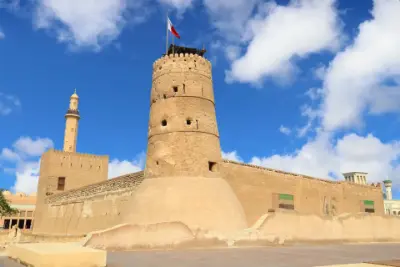
Dubai Museum (Al Fahidi Fort)
Housed inside Al Fahidi Fort – the oldest surviving building in Dubai, constructed in 1787 – Dubai Museum is the emirate's original and most historic museum. It tells the story of Dubai's transformation from a small pearling and fishing village to a modern global city, with life-sized dioramas of traditional souks, dhows, desert life and pearl diving, plus archaeological finds dating back over 3,000 years.Quick facts:Duration 1–1.5 hours · Inside Al Fahidi Fort · Oldest building in Dubai · Low entry feeDid you know?The fort reopens in the first half of 2026 after a five-year restoration, featuring six all-new galleries with interactive digital displays and archival photographs that bring Dubai's early history to life.Best time to visit:Morning visits are quietest; combine with a walk through the adjacent Al Fahidi Historical District for a full morning of Old Dubai heritage.Where to eat nearby:Arabian Tea House just outside the museum serves traditional Emirati dishes in a beautiful courtyard; XVA Café nearby offers vegetarian and Mediterranean fare in a heritage setting.Tip:The museum sits in the heart of Al Fahidi, so plan extra time to explore the Sheikh Mohammed Centre for Cultural Understanding, the Coffee Museum and the traditional wind-tower houses of the surrounding district. Prices may vary – check official website.
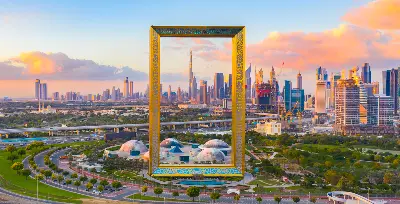
Dubai Frame
Standing 150 metres tall in Zabeel Park, the Dubai Frame is the world's largest picture frame – literally framing old Dubai to the north and new Dubai to the south. Visitors ride to the Sky Deck at the top, walk across a 93-metre glass-floored bridge connecting the two golden pillars, and explore immersive galleries on Old Dubai, Present Dubai and Future Dubai.Quick facts:Duration 1.5–2 hours · Height 150 m · Glass sky bridge · Inside Zabeel ParkDid you know?The Frame's facade is clad in gold-coloured stainless steel panels designed to echo the Expo 2020 Dubai logo.Best time to visit:Early morning (9 AM – 12 PM) for fewer crowds, or around sunset for photographs of both old and new Dubai in golden light.Where to eat nearby:Zabeel Park has food kiosks and a small food court; for more options head to Wafi City Mall or BurJuman, both a short drive away.Tip:Enter Zabeel Park through Gate 4 for the closest access to the Frame – dedicated parking is free for Dubai Frame ticket holders. Prices may vary – check official website.

Hatta Heritage Village
Hatta Heritage Village is a meticulously restored traditional Emirati settlement set against the dramatic Hajar Mountains – offering a window into pre-1960s UAE life through its mud-brick houses, watchtowers, mosque, falaj irrigation system, and a museum displaying agricultural tools, traditional clothing, weaponry and household items. Built around the 200-year-old Hatta Fort, the village covers a hillside complex with traditional date palm gardens, a small souk and shaded resting areas.Quick facts:Duration 1–2 hours · Free entry · Open 8 AM – 8 PM · Dating from 1700sDid you know?Hatta Heritage Village contains a 200-year-old fort, watchtowers and a falaj irrigation system that's still partially functional today – making it one of the UAE's most authentic preserved traditional Emirati settlements.Best time to visit:Late afternoons (4–7 PM) for the most comfortable temperatures and the best lighting on the mud-brick architecture; cooler months (October–April) offer ideal exploring conditions.Where to eat nearby:The on-site café offers traditional Emirati tea and snacks; the wider Hatta area has additional restaurants near Hatta Wadi Hub and Hatta Fort Hotel.Tip:Combine with Hatta Hill Park, Hatta Dam, and the Honey Bee Discovery Centre for a complete cultural and outdoor day in the Hatta exclave.
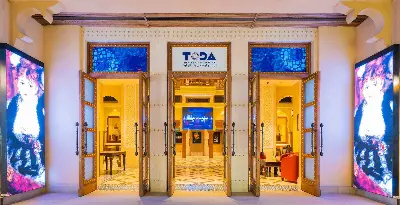
Theatre of Digital Art (TODA)
Set within the Central Courtyard of Souk Madinat Jumeirah, this 1,800-square-metre venue wraps visitors in floor-to-ceiling digital projections, surround sound, and live performances that reimagine classical and contemporary art. After a 2025 renovation, the space now includes a modernised main auditorium alongside an independent foyer gallery showcasing original digital works from international artists, hosting everything from immersive exhibitions to live concerts and wellness sessions.Quick facts:1,800 sq m immersive space · 360-degree projections · live performances & exhibitions · renovated foyer gallery · located in Souk Madinat JumeirahDid you know?TODA blends three distinct digital art formats under one roof: large-scale multimedia exhibitions, virtual reality experiences, and dedicated interactive exhibits designed specifically for children.Best time to visit:Evenings, when live performances and concerts are typically scheduled and the surrounding Souk Madinat Jumeirah is at its most atmospheric.Where to eat nearby:Souk Madinat Jumeirah hosts more than 25 restaurants and cafés within walking distance, including Italian favourite Trattoria.Tip:Popular shows, including recent performances like Dreams of Rumi, have sold out – booking ahead through the official website is strongly advised. Prices may vary – check official website.